
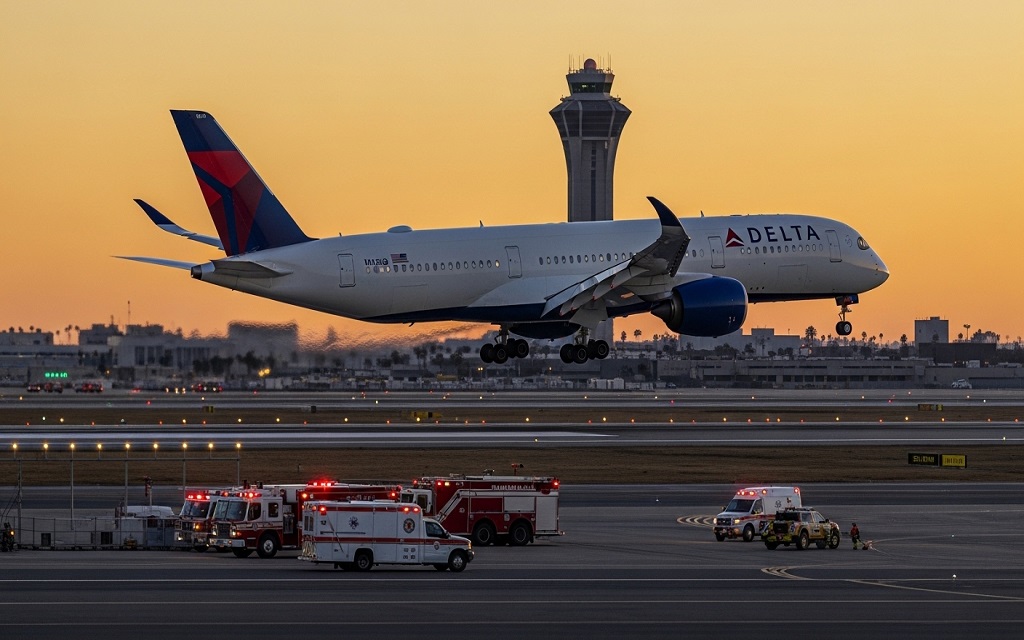
Delta Flight DL275 diverted to LAX during a long international trip. Many travelers noticed the sudden change and asked what happened. The routine flight suddenly changed direction.
Air travel includes strict safety systems. Pilots always choose the safest option when a technical issue appears. This situation shows how airline safety protocols work in real time.
This article explains what happened to Delta Flight DL275. It also explains why the aircraft diverted to Los Angeles and what happens during a flight diversion.
Delta Flight DL275 Diverted to LAX: Quick Overview
The following details summarize the incident.
Flight Number: DL275
Airline: Delta Air Lines
Aircraft: Airbus A350-900
Route: Detroit to Tokyo Haneda
Diversion Airport: Los Angeles International Airport (LAX)
Reported Issue: Engine anti-ice system fault
Outcome: Safe landing and passenger assistance
Delta Flight DL275 left Detroit for Tokyo on a scheduled long-haul route. Later, the crew detected a system alert. The pilots chose a precautionary diversion to Los Angeles. The aircraft landed safely. No injuries occurred.
What Happened to Delta Flight DL275?
Delta Flight DL275 departed from Detroit Metropolitan Airport. The Airbus A350 climbed to cruise altitude and followed the trans-Pacific route toward Japan.
Several hours later, the cockpit system displayed a technical alert. The message indicated a problem in the engine anti-ice system.
Pilots checked the aircraft systems. They reviewed safety procedures and consulted airline operations.
The crew then chose a precautionary diversion. Los Angeles International Airport became the new destination. The aircraft landed safely after a long flight across the Pacific region.
Maintenance teams inspected the aircraft after landing. Airline staff helped passengers continue their journey.
Why Was Delta Flight DL275 Diverted to Los Angeles?
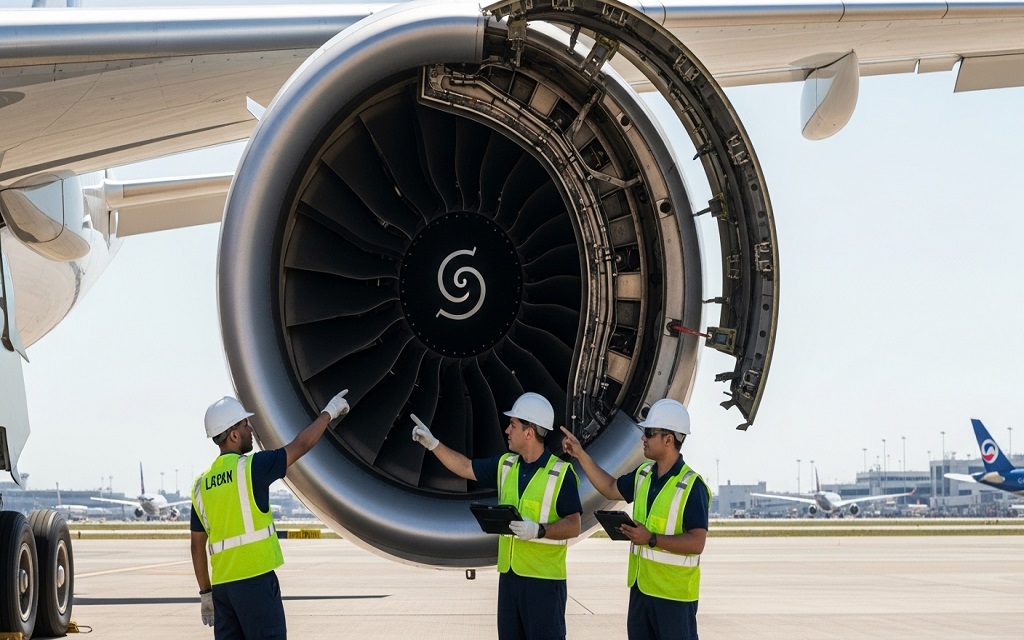
The diversion occurred after a fault appeared in the engine anti-ice system.
Aircraft engines operate in extremely cold air. Temperatures above the ocean often drop below minus fifty degrees Celsius.
Ice formation can affect engine performance. The anti-ice system prevents that risk.
Pilots follow strict rules when such systems show abnormal signals. Safety guidelines require diversion when vital equipment shows a malfunction.
Los Angeles became the best option because:
- LAX supports large international aircraft
- Delta has strong operational support there
- Maintenance teams can inspect wide-body aircraft
Therefore, the crew chose the safest airport within range.
How Flight Diversions Work in Commercial Aviation
Aviation safety follows structured decision processes. First, pilots evaluate the situation. Aircraft sensors and cockpit alerts provide detailed information.
Next, the crew communicates with the airline operations center. Engineers and safety specialists review the issue.
Air traffic control then assists the aircraft. Controllers guide the plane toward a suitable airport.
Finally, the crew selects the best diversion airport. Several factors guide that decision:
- Runway length
- Weather conditions
- Emergency response capability
- Airline maintenance support
This system ensures safe outcomes even when unexpected issues appear.
What Happens to Passengers After a Flight Diversion?
Passengers often feel concerned when a plane diverts. Airlines follow clear procedures to reduce stress and delays.
First, the aircraft lands and maintenance teams inspect it.
Next, airline staff assist passengers inside the terminal.
Passengers usually receive:
- Rebooking to the next available flight
- Hotel accommodation if delays occur
- Meal vouchers
- Travel assistance from airline staff
Delta helped passengers after the diversion. Many travelers continued their journey later the same day.
Is a Flight Diversion Dangerous?
Most flight diversions do not indicate danger.
Pilots choose diversion as a safety precaution. Aircraft technology allows crews to detect small problems early.
Modern aviation focuses on prevention. Pilots prefer a safe landing instead of continuing a long route with uncertain conditions.
Delta Flight DL275 followed that exact principle. The aircraft landed safely, and passengers remained secure.
This response shows how modern aviation prioritizes safety.
Delta Air Lines Safety Procedures and Policies
Delta Air Lines operates thousands of flights every day. The airline maintains strict safety standards.
Pilot training plays a major role. Delta pilots complete simulator sessions and technical training.
Aircraft maintenance also supports safety. Engineers inspect aircraft systems before and after flights.
Federal aviation rules add another layer of oversight. The Federal Aviation Administration (FAA) regulates airline safety across the United States.
These systems work together to reduce risk. The diversion of DL275 shows that airline safety procedures work as intended. FAA regulations support these systems and help protect passengers.
How Often Do Flights Get Diverted?
Flight diversions remain rare events. Millions of commercial flights operate every year. Only a small percentage require diversion.
According to aviation safety reports, flight diversions occur in less than 1% of commercial airline flights worldwide, and most diversions happen as precautionary measures rather than emergencies.
Common reasons include:
- Mechanical alerts
- Passenger medical emergencies
- Severe weather conditions
- Air traffic congestion
- Security concerns
Technical alerts represent one of the most frequent causes. Pilots prefer early precaution instead of waiting for a larger problem.
This safety mindset protects passengers and crew.
Why Los Angeles International Airport Is a Common Diversion Airport
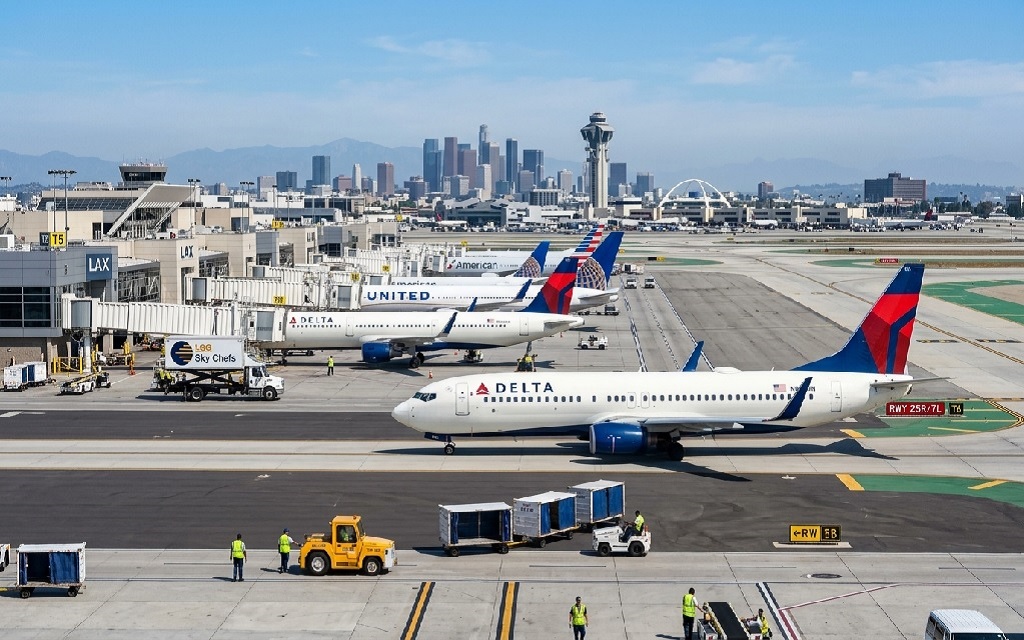
Los Angeles International Airport ranks among the largest airports in the world. The airport supports heavy international traffic.
Several factors make LAX a strong diversion option:
- Long runways for large aircraft
- Advanced emergency services
- Aircraft maintenance facilities
- Strong airline operational support
Airlines often choose LAX during trans-Pacific diversions because the airport offers reliable infrastructure.
What Travelers Should Do If Their Flight Is Diverted
Travel disruptions create stress. Simple steps help travelers manage the situation calmly.
First, listen to crew announcements.
Next, check airline updates through mobile apps or airport screens.
Keep travel documents ready. Passports and boarding passes may be required during rebooking.
Finally, contact airline staff if assistance is needed.
Most diversions cause delays rather than cancellations. Airlines aim to return passengers to their destinations as soon as possible.
FAQs
What happens when a Delta flight gets diverted?
A Delta flight diverts when pilots choose a safer or closer airport due to a technical issue, weather, or a medical emergency. The airline then assists passengers with rebooking, meals, or accommodation if needed.
What’s the salary of a Delta pilot?
Delta pilots typically earn about $100,000 to over $300,000 per year, depending on experience, aircraft type, and seniority.
What is the 45-minute rule for Delta?
The 45-minute rule means passengers must check in and drop off checked baggage at least 45 minutes before a domestic Delta flight departure.
What type of aircraft is DL 275?
Delta Flight DL275 usually operates with an Airbus A350-900, a long-range wide-body aircraft used for international routes.
Why was Delta Flight DL275 diverted to LAX?
Pilots detected a fault in the engine anti-ice system. Safety procedures required diversion to a suitable airport.
Do passengers receive compensation after a flight diversion?
Compensation depends on the cause. If the diversion is due to weather or safety issues, airlines usually assist, such as rebooking and accommodation, but may not provide financial compensation.
Did anyone get hurt on Delta Flight DL275?
No injuries were reported. The aircraft landed safely, and passengers were assisted after arrival.
Was Delta Flight DL275 an emergency landing?
No. The diversion was considered a precautionary safety measure, not a full emergency landing.
Final Thoughts
Delta Flight DL275 diverted to LAX after a technical alert appeared during the flight. Pilots followed safety protocols and selected the nearest suitable airport.
The aircraft landed safely. Maintenance teams inspected the plane. Passengers received travel assistance from Delta staff.
This event shows how modern aviation systems protect travelers. Early detection, trained pilots, and strict safety rules allow airlines to manage unexpected situations without risk to passengers.
Safety remains the top priority in commercial aviation.

Musarat Bano serves as an editor, reviewing articles for clarity, structure, factual consistency, and alignment with editorial standards. Her role is limited to editorial review and presentation and does not involve authorship or professional advice.